

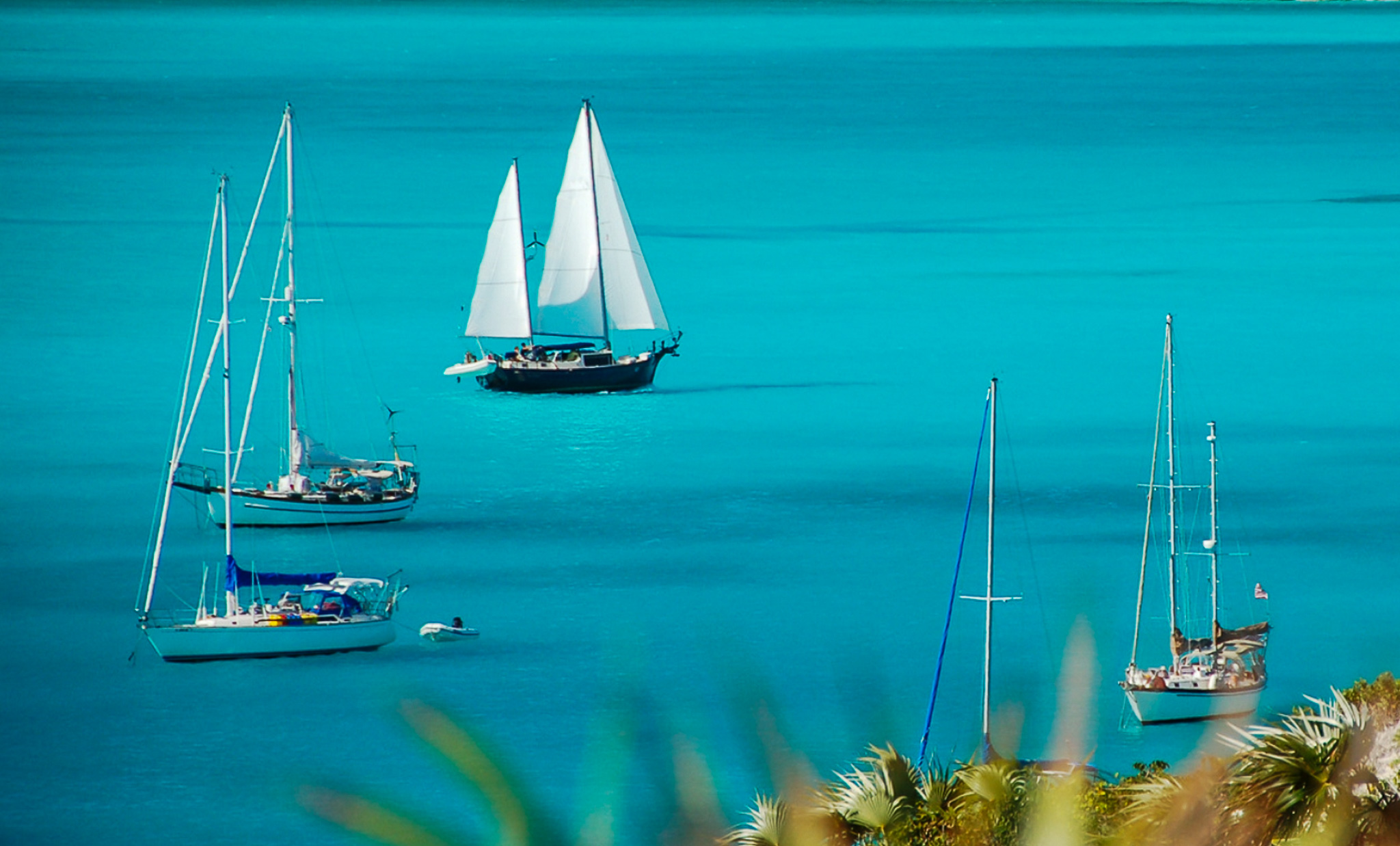
Sailboats have existed for thousands of years. In fact, boats have been utilised for transportation, trade, and fishing for over 10,000 years, starting with simple rafts and dugout canoes. The earliest sail-powered boats date back to around 3500 BC. Today, boats are used not only for transporting people and goods but also for recreational activities, which is the primary focus of this article.
Click here for Sailing how-to: Boating Terminology

Boats can be categorised based on various attributes, the first being their method of propulsion: sailboats, motorboats, and human-powered vessels, such as kayaks and rowboats. In this discussion, we will focus on sailboats.
There are various types of sailboats differentiated by distinctive characteristics such as the number of hulls, keel type, and mast configuration.
Monohulls, with a single hull, are the most common type of sailing vessel. They depend on the significant weight of their keel for stability and balance while sailing.
Multihulls include catamarans, which have two hulls, and trimarans, which have three. They are renowned for their stability and speed.
This article is focused on monohull boats and explores the configuration of keels, masts and sails.
When w travel we use Booking.com / Hotels.com / Expedia / Stayz / Bookabach / Getyourguide / TourRadar / Vrbo / Agoda / Tripadvisor
Mast and sail configuration
Sloop
This common sailboat features a single mast with a main sail and a single headsail. Sloops are versatile and straightforward, making them great for both new and experienced sailors.
Cutter
A cutter has one mast and two or more headsails, which allows sailors to adjust to different wind conditions. Cutters are suitable for long trips because they can effectively handle a wide range of wind conditions.
Ketch
This is the most common vessel with two masts. The main mast is taller than the mizzen mast. The mizzen mast is located in front of the rudder post. This design helps balance the sail, making sailing easier, especially in strong winds.
Yawl
A yawl also has two masts – the main mast and a mizzen mast, which is considerably shorter than the main. It also differs from the ketch in that it has the mizzen mast positioned behind the rudder post. Yawls are easy to handle, especially in narrow channels and when docking.
Schooner
A schooner has two or more masts. Unlike the ketch and yawl, the forward mast is shorter than the aft mast. Schooners can be rigged in various ways, making them both fast and stable for racing and cruising.
Keels
A keel runs along the centerline of a boat and extends downward. Its shape and weight (ballast) provide stability and lateral resistance, helping to prevent the vessel from moving sideways when pushed by the wind. Different types of keels are designed for specific sailing conditions.
Fin Keel
This is a common keel configuration known for its excellent maneuverability and performance when sailing upwind. The hydrodynamic shape reduces drag and is favoured in racing yachts.
Full Keel
This type extends the length of the vessel from bow to stern, creating excellent balance and tracking. It is less sensitive to wind gusts, making it ideal for long-distance cruising.
Lifting Keel
Found in designs such as daggerboards and centerboards, these keels can be lifted and lowered. This feature enables navigation in shallow waters and reduces drag in deeper waters.
Bulb Keel
This keel features a ballast-filled bulb shape at its base, which increases its stability and speed in choppy water. This keel is often used in racing yachts, where stability and performance are crucial.
Wing Keel
This design includes wing-like structures protruding from the bottom of the keel. The wings can enhance stability, reduce drag, and improve maneuverability, making it popular among racing yachts.
That’s it – a straightforward classification of sailboats. There are numerous additional differences among various types of sailboats, including construction materials like steel, fibreglass, and timber; cockpit locations such as aft or centre; and whether or not they have a pilothouse, to name just a few. We will explore these distinctions and many more in the next post – “Buying a Sailboat.”
Like this post? Please share or pin using the image below… thank you!






12 Comments
Leave your reply.