

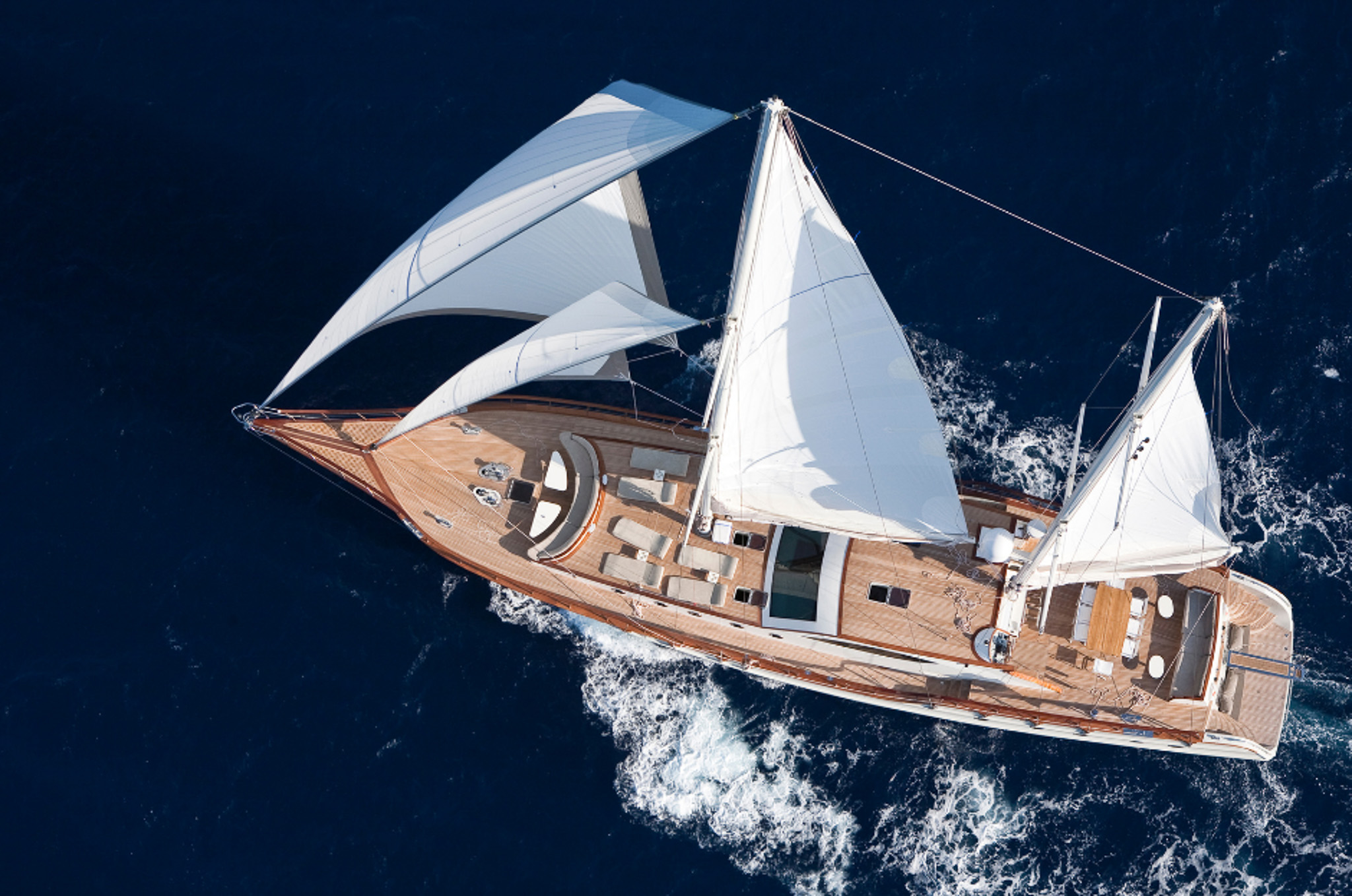
Dreaming of life on the water? For many, the idea of casting off the lines and setting sail toward freedom and adventure is irresistible. But buying a boat—especially one to live aboard and use for extensive cruising—is a huge decision. The choices can feel overwhelming, particularly if you’re new to boating.
This guide helps you consider the most important questions before making this significant purchase. While there’s no such thing as the “perfect” boat – every vessel involves compromises – knowing what you need and what you can live without will help you make the right choice for your lifestyle.
Thinking of buying a boat?
Don’t set sail unprepared! Grab our FREE 6-page Boat Buying Checklist — complete with budget planner, must-haves list, vessel inspection sheets, and essential questions to ask your broker. Make your boat search simple, organised, and stress-free!
Selecting the right yacht for a liveaboard cruising lifestyle poses a challenging task that demands serious consideration. We inherited Dwayne’s parents’ boat (a proven bluewater cruiser), which saved us the hassle of purchasing an unknown vessel. However, we have previously bought small yachts and fishing boats. Through our boat delivery business, we have also sailed a variety of monohulls, catamarans, and motorboats, giving us a clear idea of what we want in a boat. My first piece of advice is that if you’re considering buying a boat, you should spend ample time on different types of boats to discover what you truly like.
If you are a newbie to sailing, you may find these articles helpful: Sailing how-to: Boating Terminology, Talk like a Yachtie, Sailing Terms We Actually Use and A simple classification guide to Sailboats

Our yacht Thorfinn is a steel Adams 45. She is a proven bluewater cruiser.
Step 1. What’s Your Budget?
Your budget will quickly narrow down your options. Think about:
-
- Turnkey boat: Ready to sail immediately, but typically comes at a higher cost.
- Project boat: Cheaper upfront, but will require time, skills, and money to restore.
Remember: Boats almost always cost more to maintain than you expect.
Step 2. What will you use the boat for?
Before you even start looking at boats, ask yourself: What is my primary purpose for owning a boat?
Do you intend to race it, or are you looking for a live-aboard lifestyle? Are you a keen angler or scuba diver? Will you be sailing in sheltered waters, island hopping, or undertaking ocean crossings?
-
- Racing: Lightweight performance vessels designed for speed.
- Liveaboard lifestyle: Comfort and practicality matter most—your boat is your home.
- Extensive cruising: Long passages, ocean crossings, and the ability to be self-sufficient.
- Island hopping & coastal cruising: Shorter distances, more emphasis on convenience and access to shore.
- Fishing: Deck layout and space, rod storage, and shade.
Since we’re focusing on liveaboard life and extensive cruising, let’s branch deeper into that path.
Step 3. Try Them on for Size
Look at as many different types of boats as possible – visit boat shows and your local boat clubs. Many racing boats are often looking for crew members, and frequently, no prior experience is required. By making friends at a yacht club, you may also have the opportunity to see other boats. Moreover, discussing the pros and cons of different yachts with their owners is a great way to begin your search for your “perfect” boat.
Step 4. What activities do you want to do on or from the Boat?
Your lifestyle on board will shape your choice. Consider:
-
- Scuba diving: You’ll need easy access to water and storage for dive gear.
- Fishing: Spacious open deck, stability.
- Entertaining: A large cockpit, extra seating, and ample galley space will be important.
- Simple cruising: Comfortable berths, decent storage, and safe sailing characteristics may be all that’s needed.
Step 5. Sailboat or Motorboat?
-
- Motorboat: Simpler to operate, predictable speed, but higher fuel costs.
- Sailboat: Less reliance on fuel, often more self-sufficient, but requires sailing skills and comes with a steeper learning curve.
If choosing a sailboat, ask:
-
- Will you sail most of the time, or rely heavily on the engine?
- Are you dreaming of crossing oceans or primarily coastal sailing?
Step 6. What construction material do you prefer
-
- Wood: Classic but high maintenance.
- Fibreglass: Strong, flexible, and affordable, though heavy.
- Steel: Durable, tough, but heavy and rust-prone.
- Aluminium: Strong, lightweight, low maintenance — but costly and tricky to repair.
Step 7. Choosing the Right Sailboat – hull, keel, rigging
Catamaran or Monohull?
Catamaran (Cat):
-
- Pros: More living space, stability at anchor, shallow draft for island hopping, two engines.
- Cons: More expensive to buy, dock and maintain. Higher marina fees, not as efficient upwind, slamming on the bridgedeck in rough seas. Won’t self-right if capsized
Monohull:
-
- Pros: Usually more affordable, classic sailing experience, stronger feedback from the helm. Performs better upwind and self-righting if it capsizes.
- Cons: Less space, more heeling, deeper draft.
Cockpit Position: Aft vs. Centre
-
- Aft cockpit: Spacious, great for entertaining, closer to water, often step on/off.
- Centre cockpit: More protection offshore, often allows for a large aft cabin.
Keel Type & Draft
-
- Fin keel: Performance-oriented but deeper draft.
- Full keel: Stable, forgiving, but slower.
- Shoal draft: Allows anchoring close to shore, but can affect sailing performance.
Note: If you plan to keep the boat in a marina, check the local water depth—it needs to match your boat’s draft.
Read more about keels – keel types explained for sailboats
Rigging: Ketch, Sloop, or Schooner?
-
- Sloop (one mast, two sails): Simple, efficient, most common.
- Cutter: Two smaller headsails, versatile and can handle a large range of weather conditions, suitable for extended cruising.
- Ketch (two masts): Spreads sail area into smaller sails, easier to manage for long-distance cruising.
- Schooner: Traditional, elegant, suitable for downwind passages, but more complex.
Read more about rigging options for cruising sailboats

Step 8. Life Aboard – Practical Considerations
Living aboard isn’t just about sailing—it’s about comfort and functionality. Think about:
-
- Storage vs. Cabin Space: Will you prioritise gear storage or more open living areas?
- Galley (kitchen): A cook will want good storage, counter space, and a stove that is gimballed for cooking at sea.
- Navigation station: Essential for charts, electronics, and planning passages.
- Engine access: Easy access is crucial for maintenance, oil checks, and repairs.
- Sleeping arrangements: Do you prefer a large aft cabin or require multiple berths for guests?
- Fridge/Freezer: Long-term cruising usually requires a larger fridge/freezer setup.
- Crew size: Can you sail it alone, as a couple, or do you need a team?
- Marina fees & haul-outs: Bigger boats = higher ongoing costs.
- Dinghy storage: Crucial for cruisers — davits or deck space?
- Ventilation & shade: Essential for tropical sailing.
- Systems: Do you want hot water, a heater, an air-conditioner, or electric toilets? How will you generate power? Solar panels, generator, wind generator, lithium batteries?
If the boat you are thinking of buying does not have solar panels or a generator of some kind. Then, check if there is space to install one.
Step 9. Put all your basic information together
This is the time you should have a good idea of what sort of boat will meet your needs. Now, map it all out.
Think of:
-
- Your Budget
- Sail or motor
- Hull type
- Preferred keel
- Preferred rigging
- Cockpit – aft or centre
- Number of berths
- Number of heads (toilets)
Download our free “boat buying” spreadsheet here to keep track of your preferences.
Step 10. Must-Haves and Must-Not-Haves
Once you understand your purpose for the yacht and have decided on the basics, create a list of your must-haves and features you would prefer to avoid.
Here’s an example:
Must-Have Features (non-negotiable): Many well-positioned hatches, a large aft cabin, space for a water-maker or your scuba gear. Think of these as features that will be hard to add to your boat after your purchase. You can also add features such as a gimbal stove and ample storage if you plan to undertake long voyages.
Nice-to-Have Features (negotiable): a large saloon, upright fridge, or a specific number of berths. Think of these as the features you will be looking for in a boat, but be willing to compromise if necessary.
Must-Not-Have (should avoid): those with osmosis, wood rot, or extensive rust. You may also add things such as a centre cockpit on this list if you really need the ease of a step-on, step-off boat. Think of these as features that you dislike or that may interfere with your intended use of the yacht; in essence, they are non-negotiable.
Our free “boat buying” spreadsheet includes a must-have, nice-to-have, and must-not-have chart for you to record your preferences.
A Boat Called Compromise
Compromise is inevitable. There’s no such thing as the perfect boat. Every vessel involves trade-offs between performance, comfort, cost, and practicality. The best boat for you is the one that aligns with your lifestyle, fits your budget, and fulfils your dreams of life on the water.
Take your time, do your research, and—most importantly—try to get on as many boats as possible before making a decision.
Like this post? Please share or pin using the image below… thank you!


When we travel….
We usually book our accommodations through Booking.com. We value the convenience of online booking, and there are typically no hidden fees. Additionally, Booking.com offers a diverse range of accommodation styles worldwide, ensuring you can find the perfect place to stay.
We also use Hotels.com, Stayz, Bookabach, Expedia and Agoda
We use a Wise Visa Card
The Wise card is an excellent option for travellers, offering lower fees and better exchange rates compared to traditional credit and debit cards when spending or withdrawing money abroad. It provides flexibility, ease of use, and enhanced security features.
eSIM makes staying connected easy!
eSIMs are a convenient way to stay connected while travelling. Simply purchase and install your eSIM before your trip, and activate it from your device as soon as you land.
Simify makes the process easy. Click here to choose your destination and select a plan that suits your needs. After your purchase, you will receive an email with clear, step-by-step instructions on how to install your eSIM. Once you arrive at your destination, enable data roaming, and your eSIM will automatically connect you to a local network.
Why choose Simify? Enjoy unlimited data for overseas travel at an affordable price, gain access to the internet as soon as you land, and avoid any additional fees







4 Comments
Leave your reply.